Bicentennial Commemorative Product Packaging
Artifact of the Month - June 2026
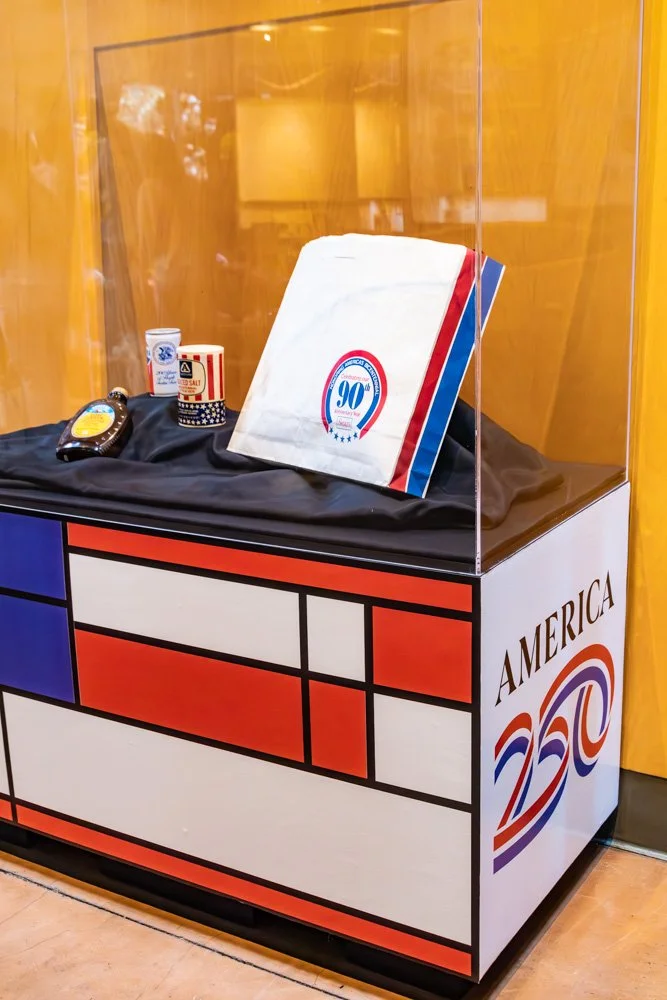
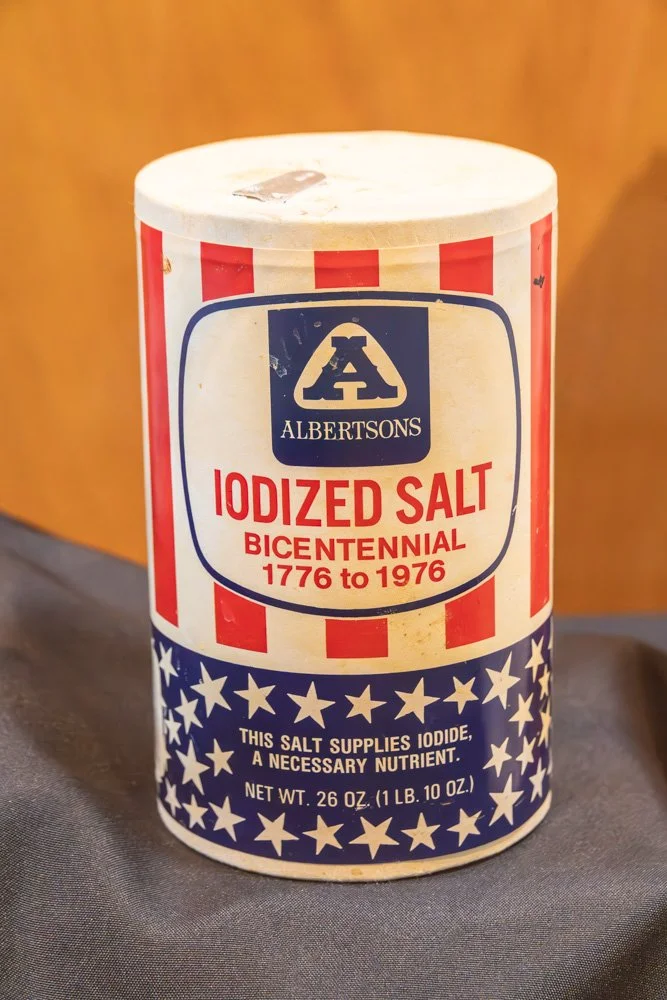
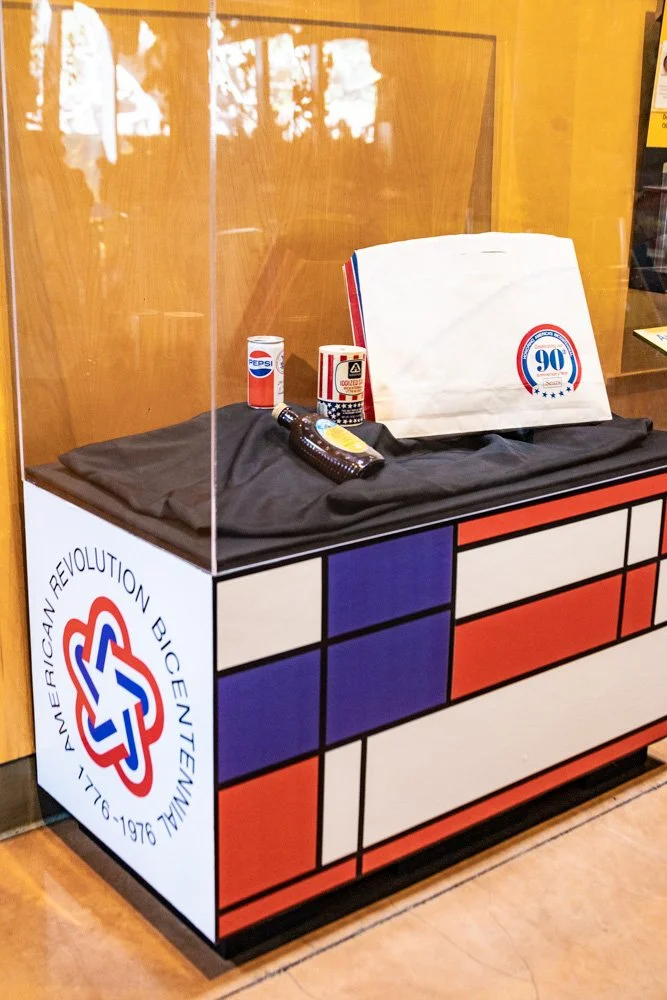
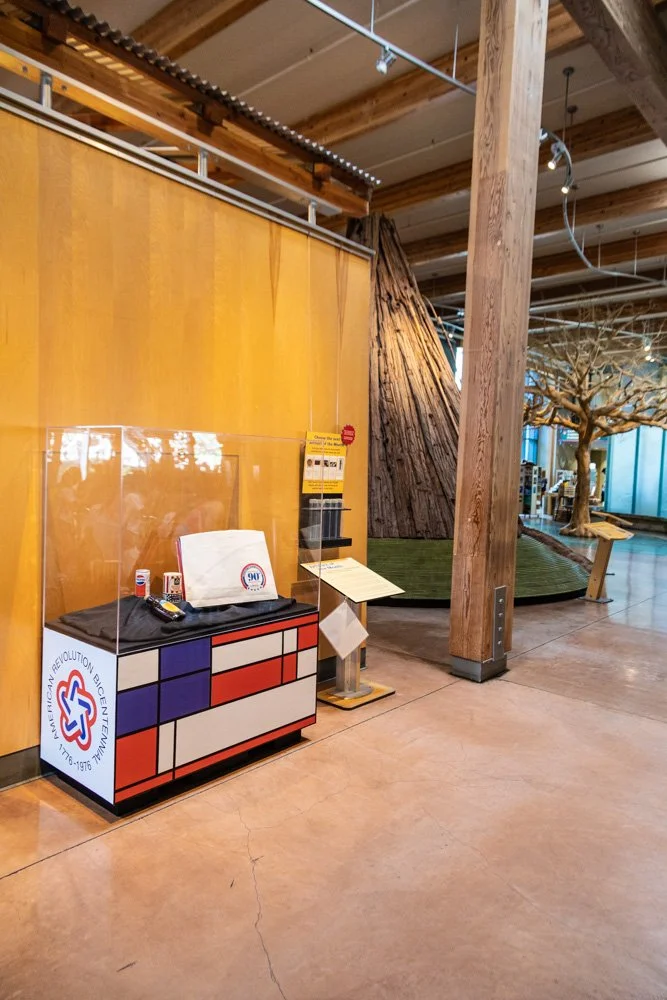
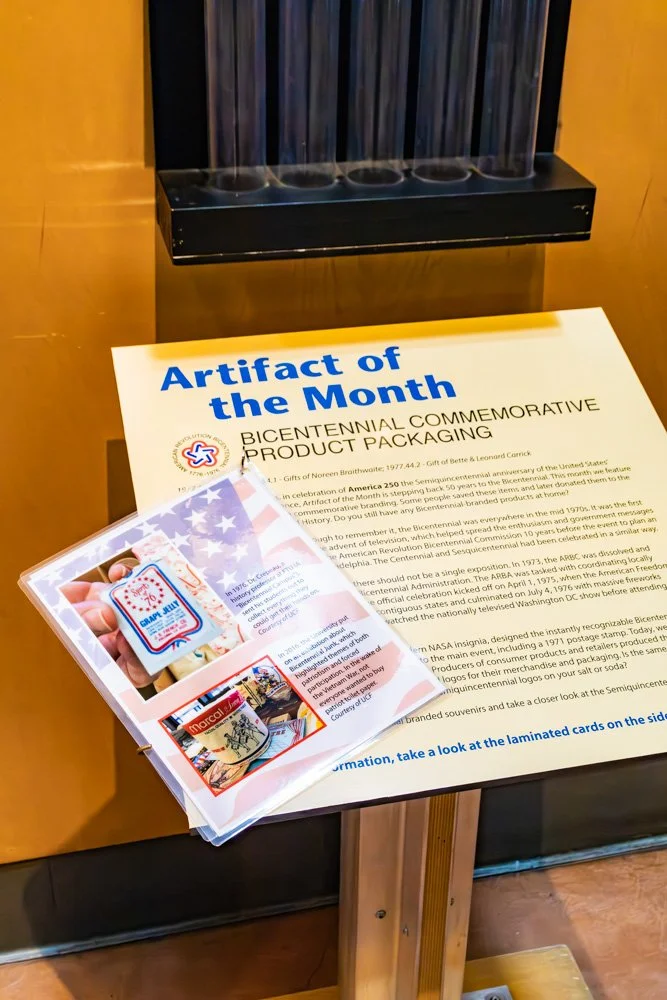
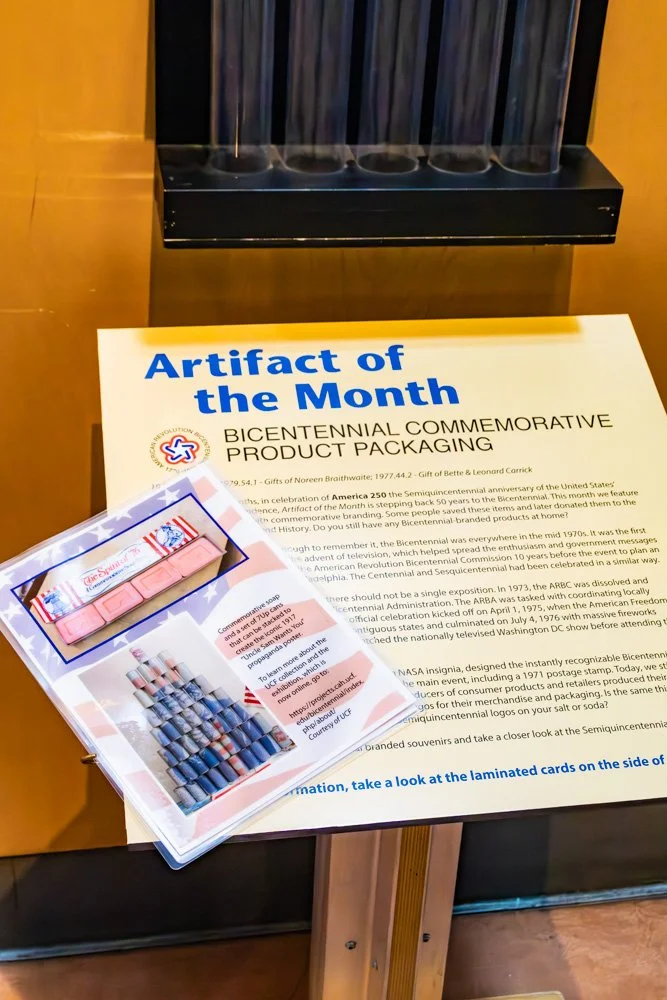
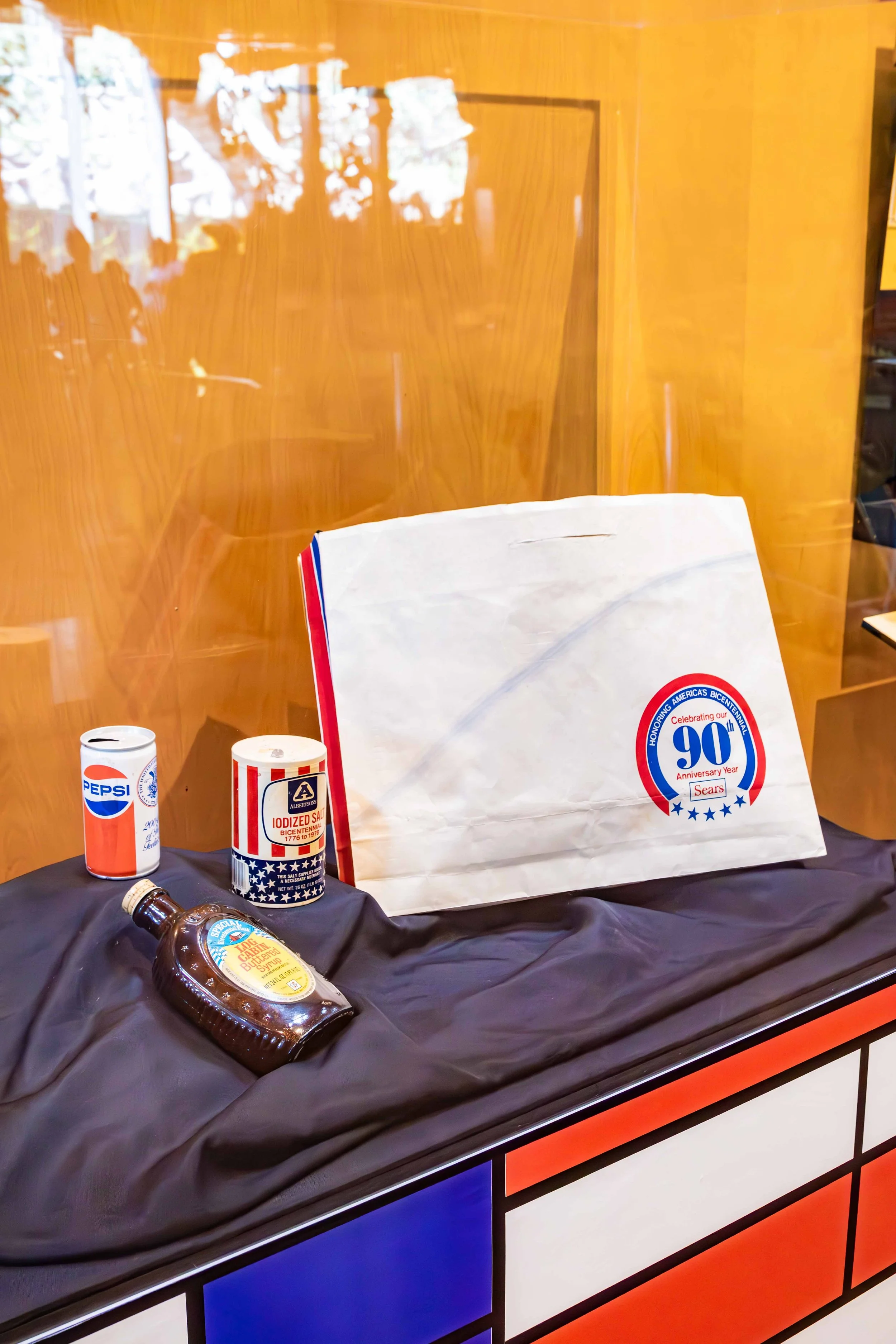
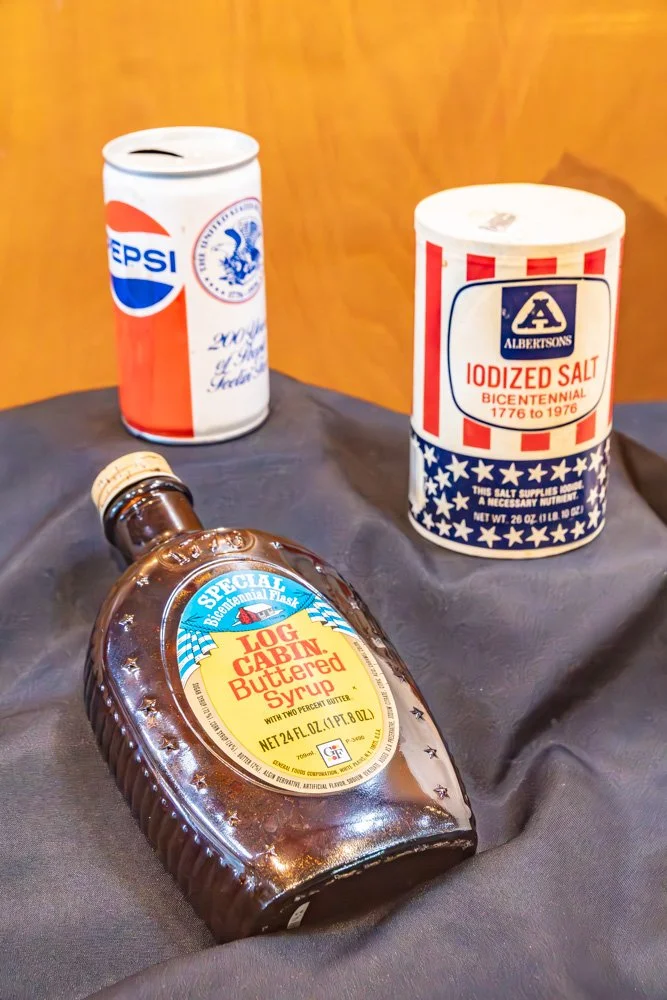
Where were you in June 1976? Were you attending one of the nationwide celebrations of America’s 200th birthday or simply planning a Bicentennial picnic for the 4th of July? For the next two months, in celebration of America 250 the Semiquincentennial anniversary of the United States’ Declaration of Independence, Artifact of the Month is stepping back 50 years to the Bicentennial. This month we feature consumable products with commemorative branding. Some people saved these items and later donated them to the Redding Museum of Art and History. Do you still have any Bicentennial-branded products at home?
For those of us who are old enough to remember it, the Bicentennial was everywhere in the mid 1970s. It was the first big anniversary to come after the advent of television, which helped spread the enthusiasm and government messages of patriotism. Congress created the American Revolution Bicentennial Commission 10 years before the event to plan an
exposition in either Boston or Philadelphia. The Centennial and Sesquicentennial had been celebrated in a similar way. The Commission recommended that there should not be a single exposition.
In 1973, the ARBC was dissolved and replaced by the American Revolution Bicentennial Administration. The ARBA was tasked with coordinating locally sponsored events all over the nation. The official celebration kicked off on April 1, 1975, when the American Freedom Train started its 21-month tour of the 48 contiguous states and culminated on July 4, 1976, with massive fireworks displays across the country. Many people watched the nationally televised Washington DC show before attending their local celebrations.
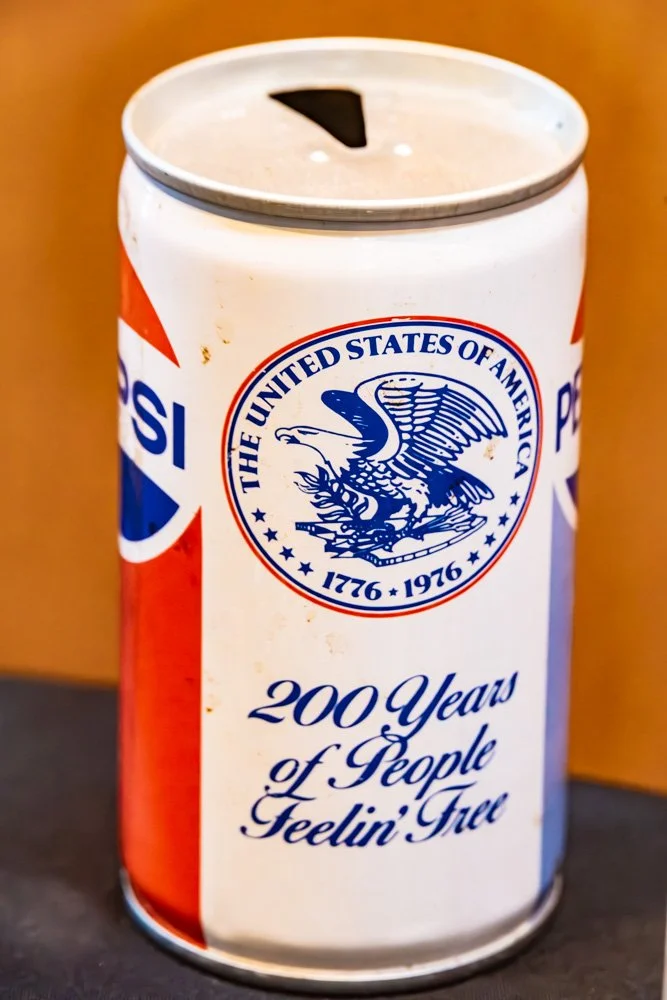
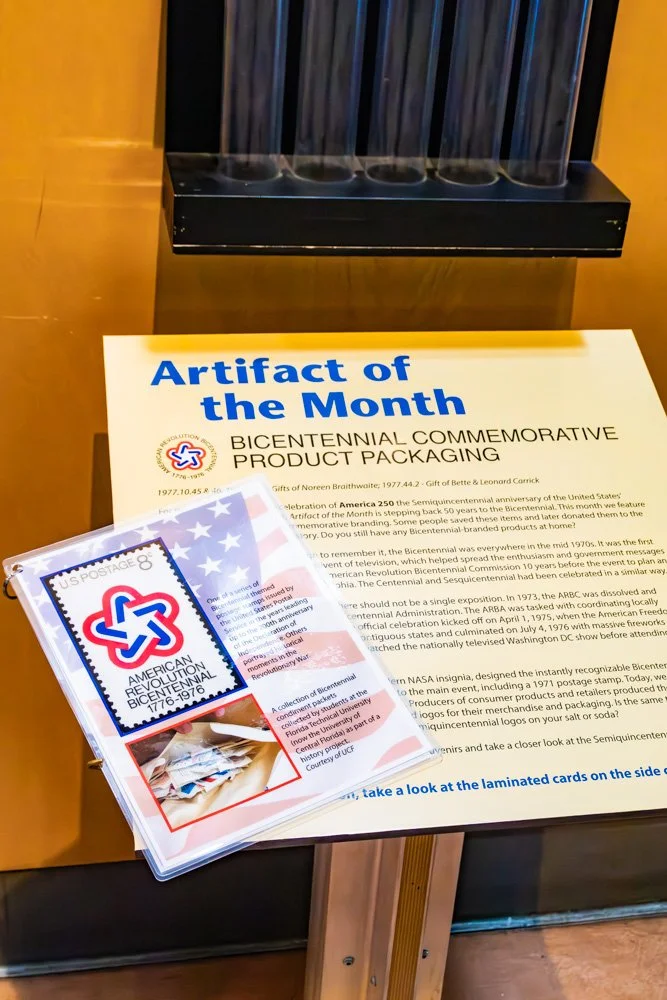
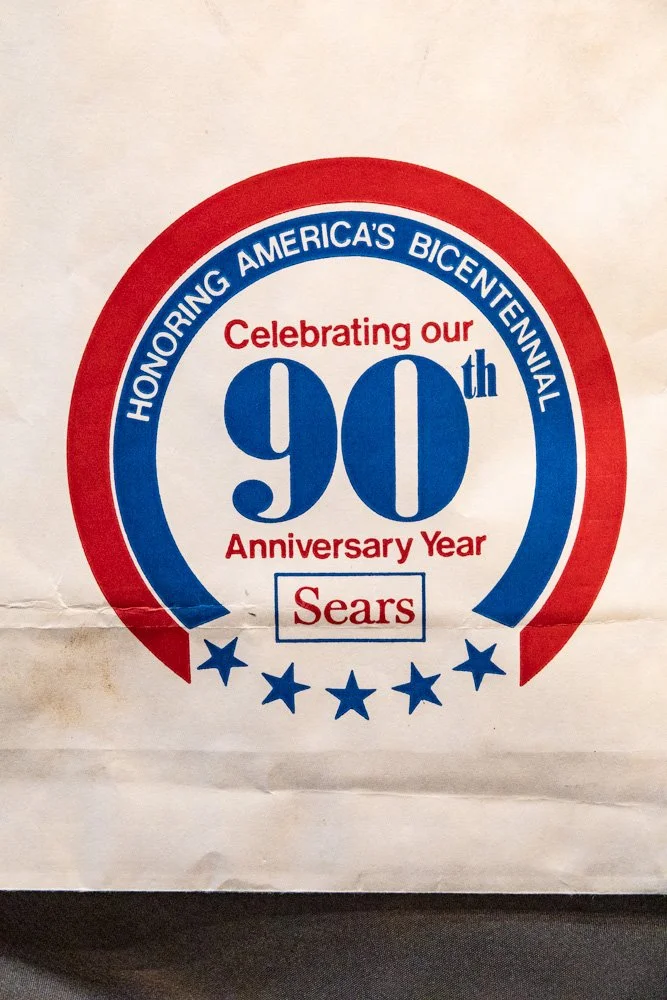
Bruce N. Blackburn, who co-designed the modern NASA insignia, designed the instantly recognizable Bicentennial logo that appeared everywhere for years leading up to the main event, including a 1971 postage stamp. Today, we still see it on vintage official commemorative merchandise. Producers of consumer products and retailers produced their own versions of red, white, and blue 1776-1976 themed logos for their merchandise and packaging.
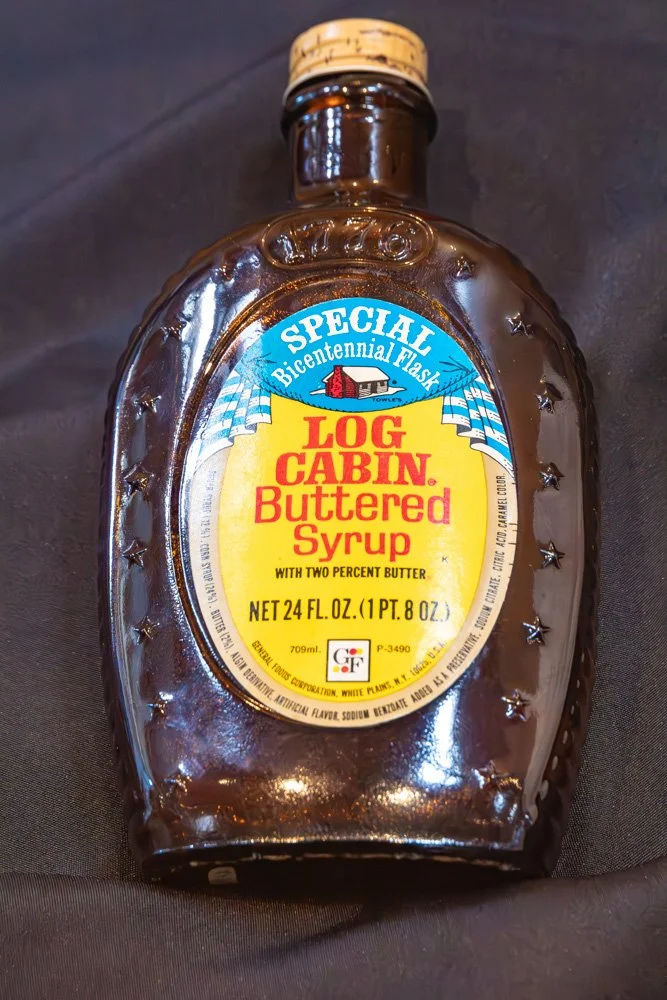
Is the same thing happening for America 250? Have you seen any Semiquincentennial logos on your salt or soda? If you are looking to stock up on future museum donations, Holiday Market on Placer Street has a pretty good selection of merchandise.
Come back next month for Bicentennial branded souvenirs and take a closer look at the Semiquincentennial.