
Sparkling and vibrant, these decorative beaded “whimsies” were likely handcrafted by members of the Haudenosaunee (Iroquois) Confederacy of the Northeastern United States and Canada sometime between the middle 19th and early 20th centuries.

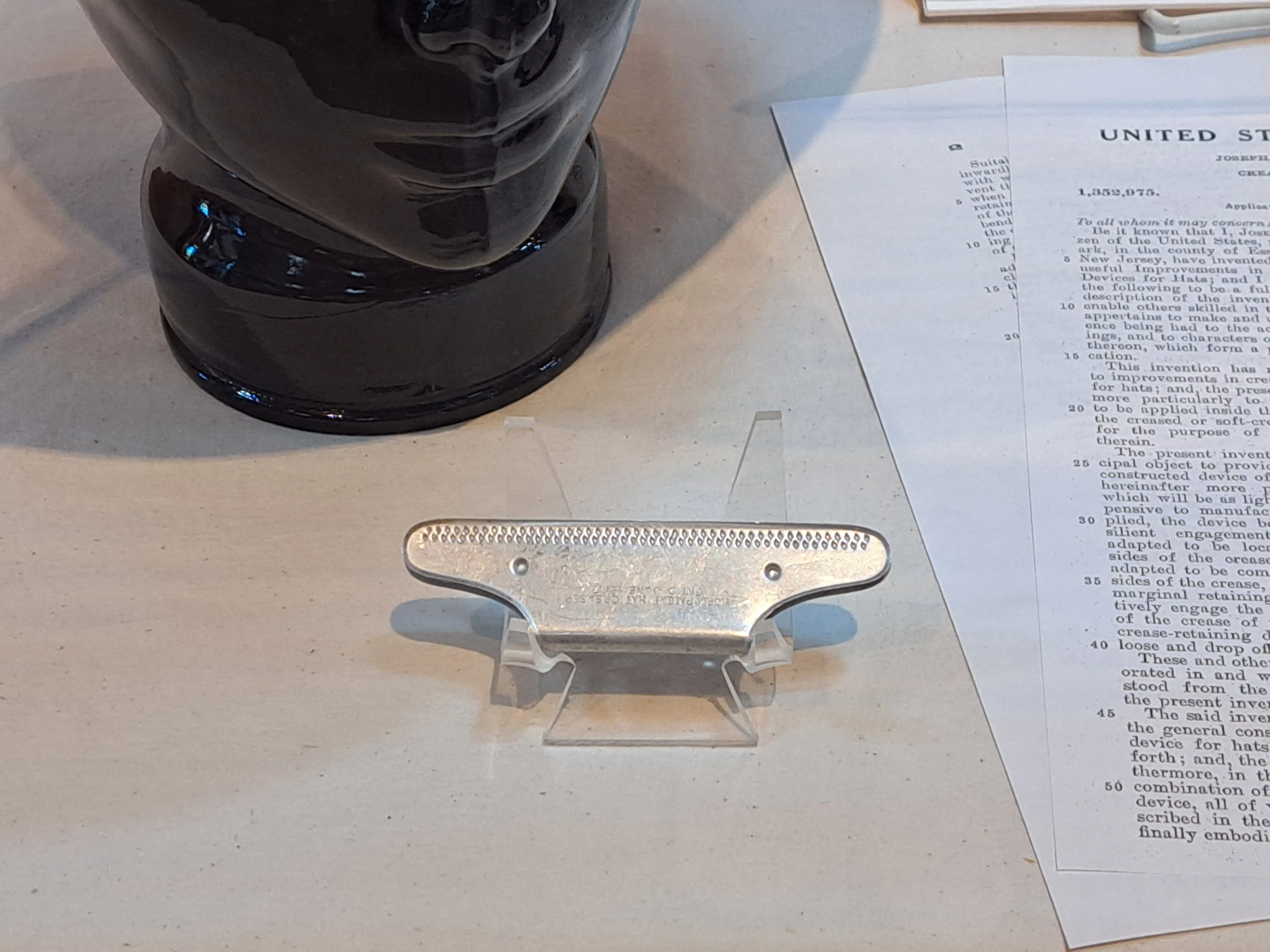
This Artifact of the Month was presented as a “Mystery Object”. While we could easily look in our database to identify it, we wanted to see if enough guests were curious enough to reveal the true nature of this artifact – a device that is scarcely used today.
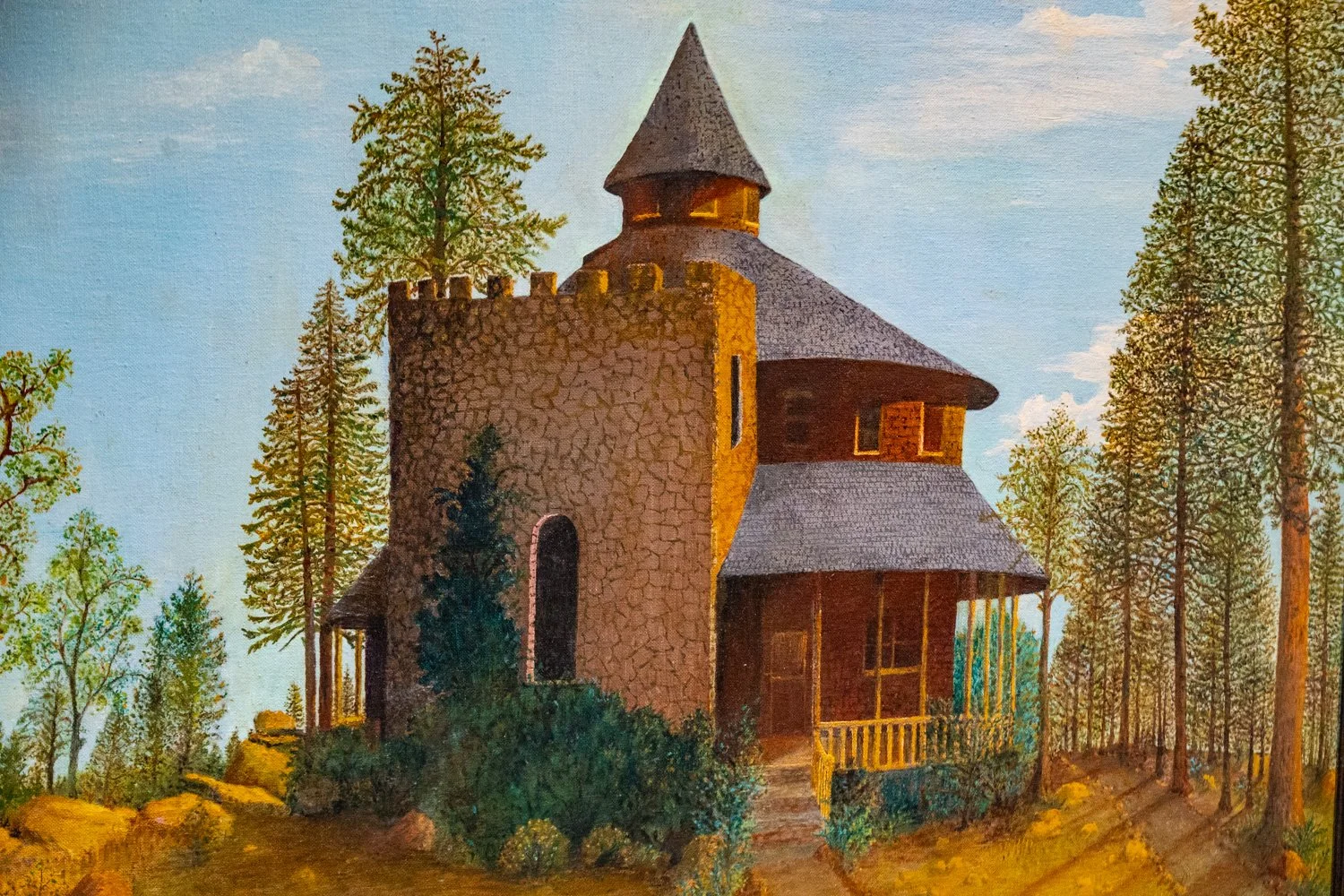
What began as a simple search for the artist behind a whimsical folk art painting turned into a fascinating journey through Shasta County history. Follow the clues behind Noble Castle, uncover the lives of the people connected to it, and discover how one painting became a window into the region's past.
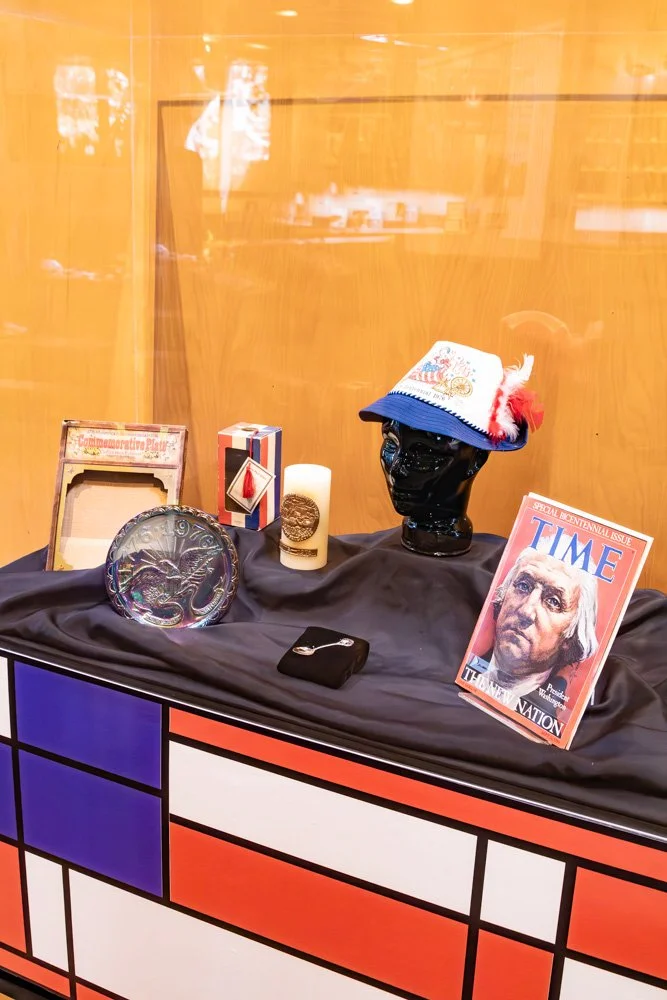
From commemorative plates to the iconic Bicentennial quarter, souvenirs help tell the story of how Americans celebrated 200 years of independence. This month's Artifact of the Month explores the keepsakes created for the Bicentennial, and considers what today's America 250 memorabilia might reveal to future generations.
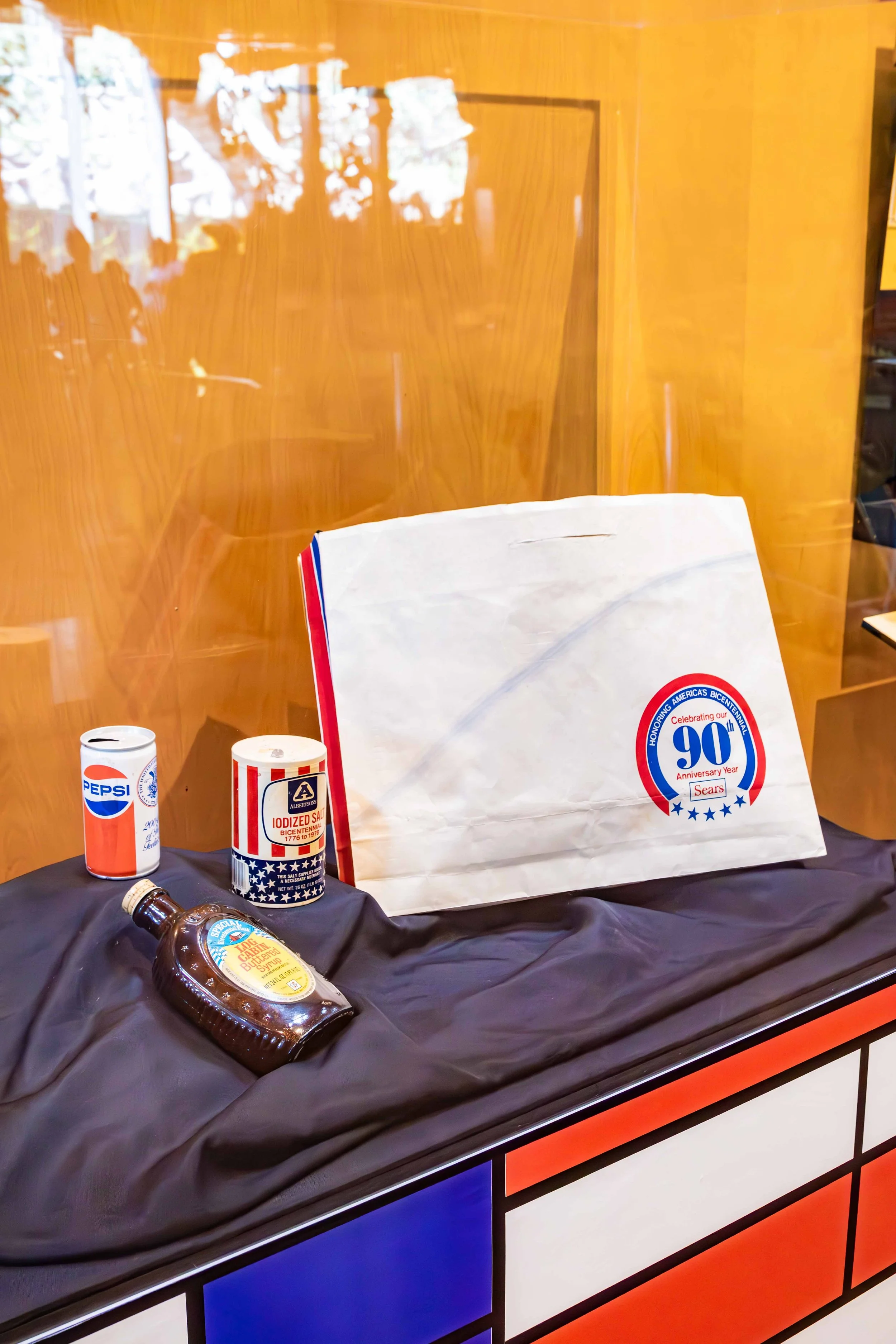
As America prepares to celebrate its 250th anniversary, we're looking back at the Bicentennial of 1976 through a unique collection of commemorative product packaging. These everyday items offer a glimpse into a nationwide celebration that captured the spirit of an era.

